
Zoho Co-Founder Sridhar Vembu Identifies AI as Essential Global Technology
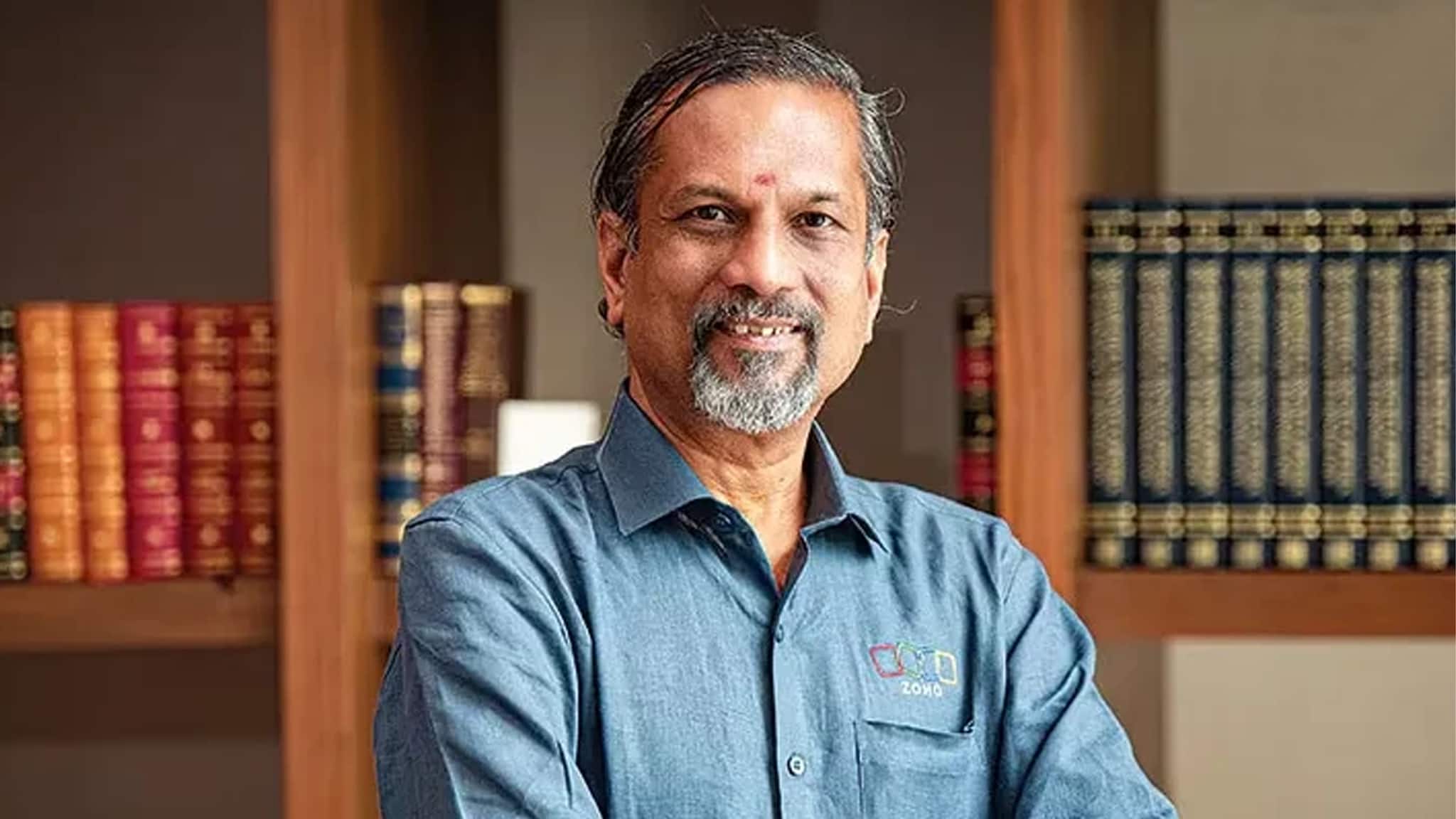
Zoho co-founder Sridhar Vembu asserts that artificial intelligence represents the most significant technological pursuit for solving global challenges.
AI as a Catalyst for Global Problem-Solving
Sridhar Vembu, the co-founder of software giant Zoho, has positioned artificial intelligence as the primary technology worth advancing to address complex international issues. He suggests that the current trajectory of AI development holds the potential to fundamentally alter several critical sectors.
Vembu's perspective centers on the capacity for AI to accelerate progress in fields where human processing speed and data analysis reach their natural limits. By leveraging machine learning and large-scale computational models, researchers may find solutions to problems that have remained stagnant for decades.
Targeted Sectors for Technological Transformation
According to Vembu, the impact of AI will be most visible in specific high-stakes areas. He identified several key domains that stand to benefit from advanced algorithmic intelligence:
- Healthcare: Improving diagnostic accuracy and accelerating the discovery of new pharmaceutical compounds.
- Climate Research: Enhancing the modeling of complex weather patterns and developing more efficient carbon sequestration methods.
- Scientific Innovation: Streamlining the iterative processes required for breakthrough discoveries in physics and chemistry.
- Resource Management: Optimizing the distribution and use of energy and water across global populations.
The Strategic Value of AI Development
The argument presented by Vembu suggests that the pursuit of AI is not merely about automation or commercial efficiency, but about expanding the boundaries of human capability. While many technologies offer incremental improvements to existing workflows, AI offers a paradigm shift in how data is synthesized into actionable knowledge.
This shift is particularly relevant as global challenges become increasingly interconnected. The ability to process vast datasets related to environmental shifts, epidemiological trends, and economic fluctuations allows for a more proactive rather than reactive approach to global crises.
As the technology matures, the focus remains on whether these tools can be successfully integrated into existing scientific and medical frameworks. Vembu's stance highlights a belief that the strategic allocation of human ingenuity toward AI could yield the highest return for the advancement of civilization.