
Two Decades of Hearing Aid Innovation: Evolution and Future Trends
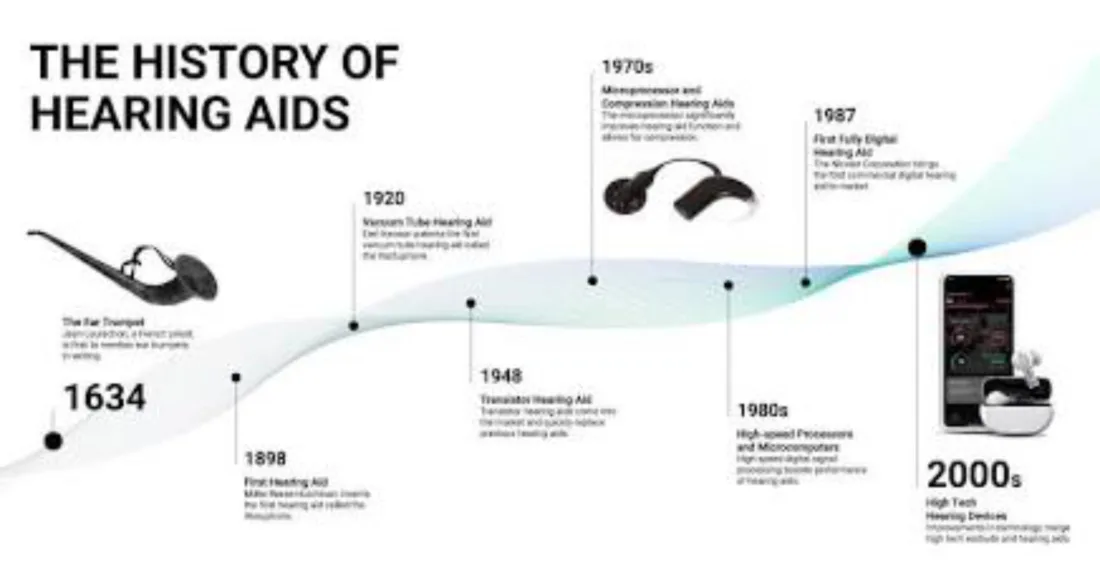
An industry expert reviews 20 years of hearing aid technological advancements and examines emerging research from major manufacturers in the field.
A Two-Decade Technological Shift
The hearing aid industry has undergone a profound transformation over the last two decades. As practitioners enter their 20th year in the sector, the transition from basic amplification to sophisticated digital processing represents one of the most significant shifts in audiology.
Early iterations of hearing technology focused primarily on increasing volume to compensate for sound loss. Modern devices, however, function as complex computing platforms capable of real-time environmental analysis and customized auditory support.
Key Milestones in Auditory Technology
Several critical developments have defined the evolution of hearing assistance over the past 20 years:
- Digital Signal Processing (DSP): The shift from analog to digital allowed for much clearer sound quality and reduced feedback.
- Miniaturization: Hardware has become significantly smaller, allowing for discreet behind-the-ear (BTE) and in-the-canal (ITC) models.
- Connectivity: The integration of Bluetooth and other wireless protocols enables direct streaming from smartphones and televisions.
- Automated Adjustments: Modern sensors allow devices to automatically adjust settings based on the user's current acoustic environment.
Current Research and Future Developments
Major manufacturers are currently investing heavily in research and development to move beyond simple amplification. Current industry trends suggest a move toward more proactive and intelligent hearing solutions.
Emerging research areas include:
- Artificial Intelligence Integration: Using machine learning to better distinguish human speech from complex background noise.
- Biometric Monitoring: Exploring how hearing aids can track other health metrics, such as heart rate or activity levels.
- Enhanced Battery Life: Developing more efficient power management systems to reduce charging frequency.
As the industry moves forward, the focus remains on creating seamless, unobtrusive technology that integrates into the daily digital lives of users while providing superior auditory clarity.

