
China Deploys Rooftop Mist Cooling Systems to Combat Extreme Heat
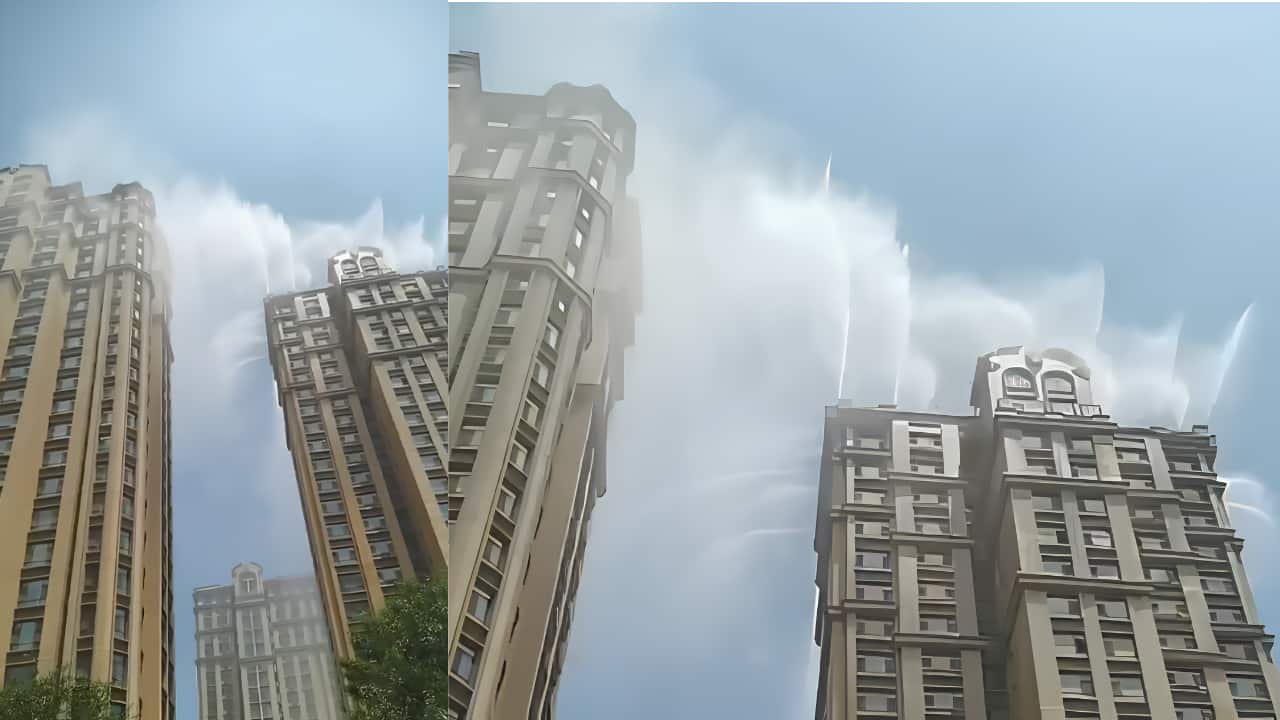
Chinese cities are installing rooftop mist cooling systems on high-rise buildings to mitigate rising outdoor temperatures during severe heatwaves.
Urban Heatwave Mitigation Strategies
As extreme temperatures continue to impact urban centers across China, municipal authorities are turning to specialized infrastructure to manage rising heat levels. One emerging method involves the deployment of mist cooling systems installed atop high-rise structures.
These systems function as a form of "outdoor air conditioning" by utilizing high-pressure nozzles to release a fine spray of water into the air. As the micro-droplets evaporate, they absorb thermal energy from the surrounding atmosphere, effectively lowering the ambient temperature in the immediate vicinity of the building.
The Science of Evaporative Cooling
The effectiveness of this technology relies on the principles of evaporative cooling. When water transitions from a liquid to a gas, it requires heat energy, which it draws from the surrounding air. This process results in a measurable reduction in local air temperature, providing relief for pedestrians and reducing the heat island effect in dense urban environments.
Key technical components of these installations typically include:
- High-pressure water pumps to ensure fine droplet atomization.
- Precision nozzles designed to prevent excessive wetting of surfaces.
- Automated sensors that trigger the system based on real-time temperature and humidity readings.
Implementation in High-Density Cities
Cities with significant skyscraper density are prioritizing these rooftop installations to address the urban heat island effect. This phenomenon occurs when concentrated concrete, asphalt, and building materials trap heat, making metropolitan areas significantly warmer than their rural surroundings.
By utilizing the vertical space of high-rise buildings, engineers can circulate cooled air downward toward street levels. This approach offers a scalable solution for cooling large public spaces without the massive energy requirements associated with traditional indoor climate control systems for entire districts.
As climate patterns continue to fluctuate, the integration of such cooling technologies represents a growing trend in urban adaptation. City planners are increasingly looking at ways to combine architectural design with active cooling mechanisms to maintain livability during peak summer months.


