Loud Snoring and Breathing Interruptions: Understanding Sleep Risks
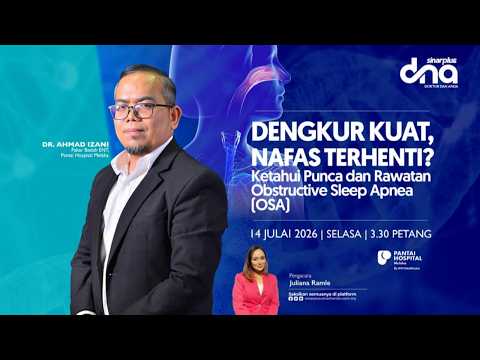
Loud snoring and frequent breathing interruptions during sleep can signal serious health risks that may threaten an individual's long-term physical well-being.
The Hidden Dangers of Sleep Disturbances
While sleep is intended to be a period of physical and mental restoration, certain nocturnal behaviors can turn rest into a significant health concern. For many individuals, persistent loud snoring is more than a nuisance; it can be an indicator of underlying respiratory issues.
When breathing becomes irregular or stops entirely during sleep cycles, the body experiences sudden drops in blood oxygen levels. These interruptions prevent the brain and muscles from receiving the consistent oxygen supply necessary for recovery, potentially leading to chronic fatigue and cardiovascular strain.
Identifying Respiratory Red Flags
Medical experts often point to specific patterns that differentiate simple snoring from dangerous sleep disorders. Recognizing these symptoms early is vital for preventing long-term complications.
- Gasping or choking: Sudden sounds of air being forced into the lungs mid-sleep.
- Observed apnea: Periods where a person appears to stop breathing entirely before resuming with a loud snort.
- Excessive daytime sleepiness: Feeling profoundly exhausted despite having spent a full night in bed.
- Morning headaches: Often a result of decreased oxygenation during the night.
Impact on Long-Term Health
Unaddressed sleep-disordered breathing can have a systemic impact on the human body. The strain placed on the heart and circulatory system during these episodes can increase the risk of developing hypertension and other metabolic issues.
Because these episodes often occur while the individual is unconscious, many people remain unaware of the severity of their condition until they consult a healthcare professional. Monitoring sleep quality and discussing respiratory patterns with a doctor remains a primary recommendation for those experiencing loud or irregular snoring.