Key Legal Terms Used During Impeachment Trial Cross-Examinations
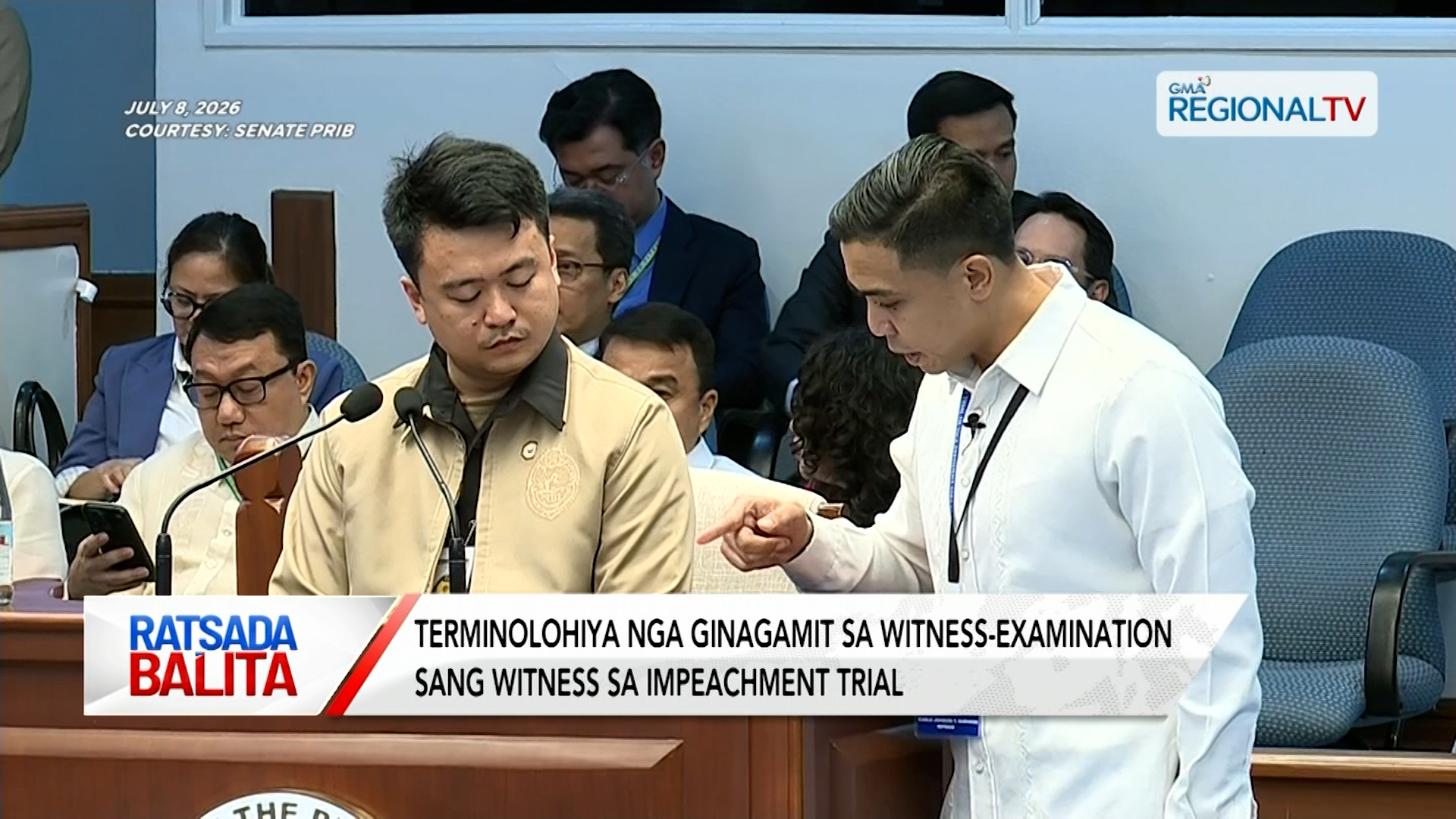
This guide explains essential legal terminology used during the cross-examination of witnesses in high-profile impeachment proceedings.
Impeachment trials involve complex legal procedures that require precise language to ensure justice and transparency. During these proceedings, the cross-examination phase serves as a critical component where opposing counsel challenges the testimony of witnesses to test their credibility and the accuracy of their statements.
Understanding Cross-Examination Procedures
Cross-examination is the formal interrogation of a witness called by the opposing party. In the context of an impeachment trial, this process allows senators or legal representatives to probe deeper into a witness's memory, perception, and potential biases. Attorneys use specific questioning techniques to highlight inconsistencies in previous testimonies or to introduce new evidence that may contradict the witness's claims.
To navigate these hearings, it is necessary to understand the specific vocabulary used by judges, prosecutors, and defense counsel. Common terms used in this stage include:
- Leading Questions: Questions that suggest a specific answer or contain the fact the attorney is trying to establish.
- Objection: A formal protest raised by an attorney during a trial to disallow a witness's testimony or a question being asked.
- Impeachment of a Witness: The process of calling into question the integrity or credibility of a witness.
- Sustained: A ruling by the presiding officer that an objection is valid, meaning the question or testimony cannot continue.
- Overruled: A ruling that an objection is invalid, allowing the questioning to proceed.
The Role of Terminology in Legal Accuracy
The use of standardized legal language ensures that the proceedings remain orderly and that the record remains clear for future legal review. In impeachment cases, where the stakes involve high-ranking public officials, the precision of these terms prevents ambiguity during the deliberation process. Attorneys must adhere to strict rules of evidence when formulating their questions to avoid being flagged for improper conduct.
Properly identifying these terms helps the public better comprehend the nuances of the trial. As witnesses testify under oath, the interplay between the questioner and the witness, governed by these rules, determines how facts are presented to the tribunal. Understanding these linguistic tools is vital for anyone following the development of constitutional and legislative hearings.