People's Party Proposes Cutting Sports Event Budgets for Human Development
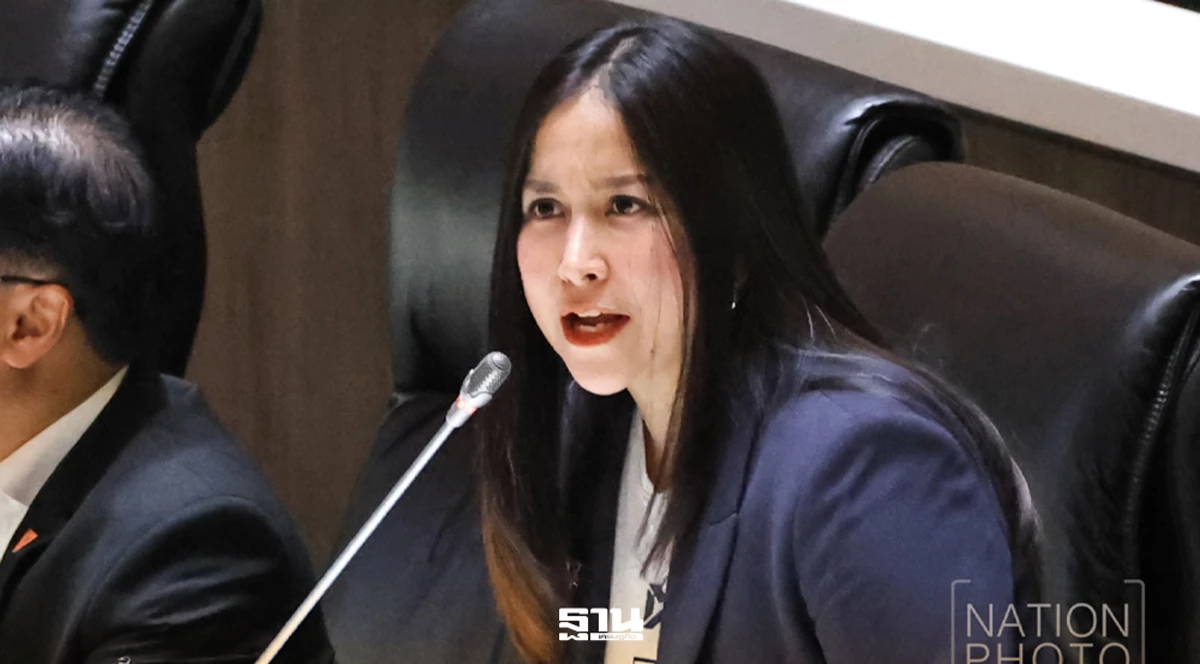
Chonnat Koyakul of the People's Party proposes reallocating the 2027 sports budget from large-scale events toward long-term athlete and infrastructure development.
Shift in Fiscal Strategy
Chonnat Koyakul, representing the People's Party, has called for a significant restructuring of the national sports budget for the 2027 fiscal year. The proposal advocates for reducing expenditures allocated to hosting one-off sporting events in favor of sustainable investments.
The core of the proposal focuses on moving away from high-cost, temporary spectacles that offer limited long-term value. Instead, the party suggests prioritizing resources that build a more robust foundation for the nation's athletic community.
Targeted Investment Areas
The proposed budgetary shift targets three primary sectors to ensure every baht contributes to measurable progress in the sports industry:
- Athlete Development: Increasing funding for training programs, coaching education, and nutritional support to enhance individual performance.
- Infrastructure: Investing in permanent sports facilities and training centers that serve local communities and professional athletes alike.
- Systemic Reform: Strengthening the administrative and structural frameworks that govern sports at both the grassroots and national levels.
Long-Term Objectives
The movement toward human-centric investment aims to create a more sustainable sports ecosystem. Rather than relying on the temporary economic stimulus provided by major event hosting, the People's Party emphasizes the creation of a professional pipeline for athletes.
By focusing on the quality of talent and the reliability of training environments, the proposal seeks to ensure that Thailand can achieve consistent success on the international stage. The goal is to transform the sports sector into a disciplined industry driven by skill and structural integrity rather than seasonal event cycles.