
Violence against health workers in Congo threatens Ebola response
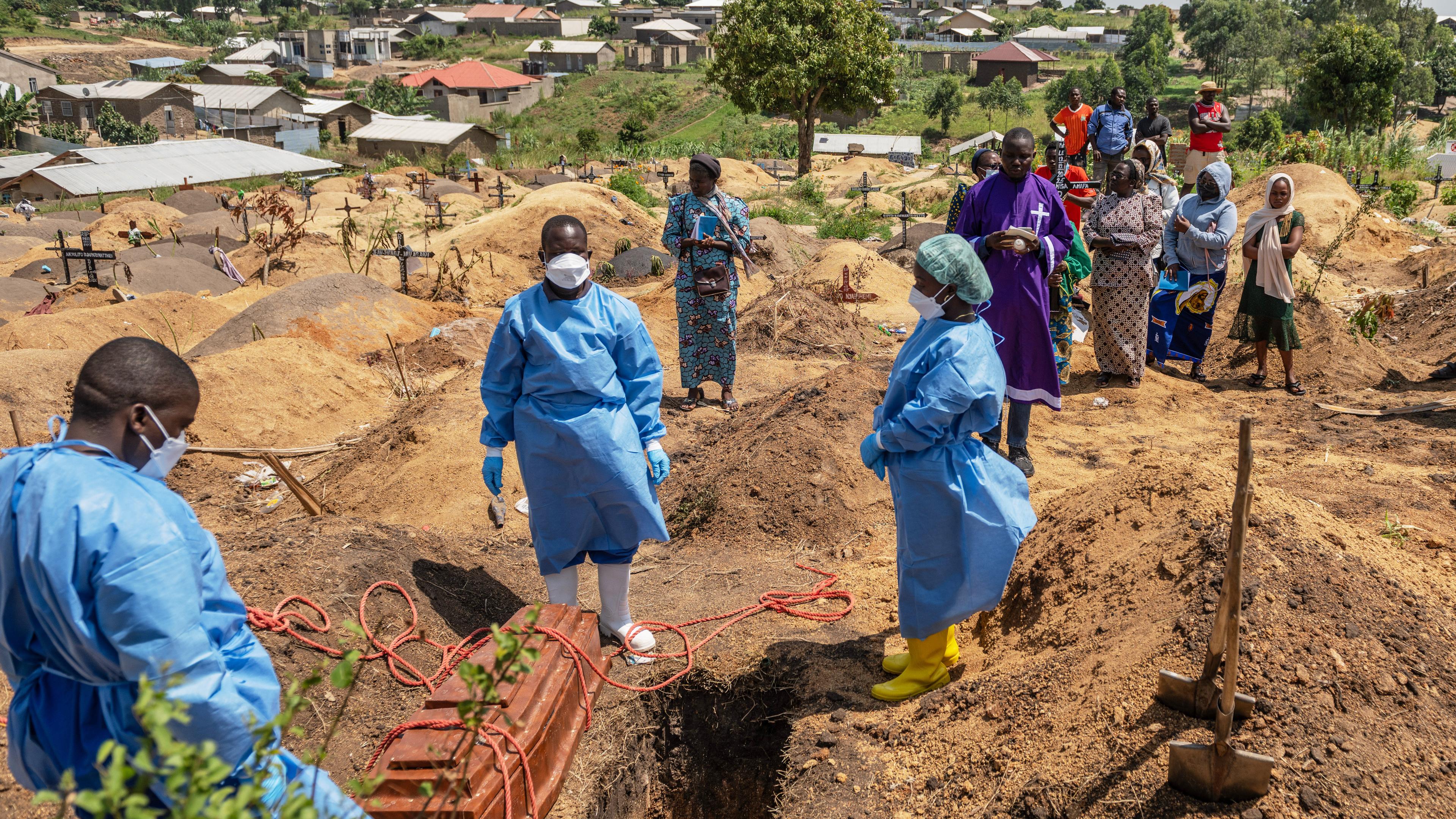
Attacks on medical personnel during the ongoing Ebola crisis in the Democratic Republic of Congo risk increasing mortality rates in the region.
Escalating violence against medical teams
Health care providers in the Democratic Republic of Congo are facing dozens of targeted attacks as the nation grapples with a severe Ebola outbreak. These incidents of violence have created significant obstacles for frontline responders attempting to contain the virus.
Security breaches and physical confrontations with medical staff are disrupting essential services. Local and international health organisations have noted that such hostility directly compromises the ability to monitor cases and manage infectious disease protocols effectively.
Impact on outbreak containment
The current outbreak is categorised as one of the fastest-growing in the history of the disease. Experts warn that the continued targeting of healthcare workers will likely lead to a surge in fatalities across affected provinces.
When medical teams are unable to access high-risk areas, the following consequences occur:
- Delayed diagnosis and treatment for infected individuals.
- Reduced effectiveness of contact tracing efforts.
- Increased community transmission due to unmonitored outbreaks.
- Difficulty in implementing safe burial protocols.
The disruption of these critical interventions suggests that the death rate is expected to rise if the safety of medical professionals cannot be guaranteed. The inability to provide consistent care during such a rapid expansion of the virus places a significant strain on the national healthcare infrastructure.
Challenges to public health efforts
The volatility in the region complicates the deployment of medical supplies and essential personnel. As the virus continues to spread, the intersection of public health needs and civil unrest presents a critical barrier to managing the epidemic.
International health agencies are monitoring the situation closely, noting that the safety of humanitarian corridors is vital to preventing a further humanitarian catastrophe. Without secure access for health workers, the containment of the Ebola virus remains highly uncertain.


